The grid is changing
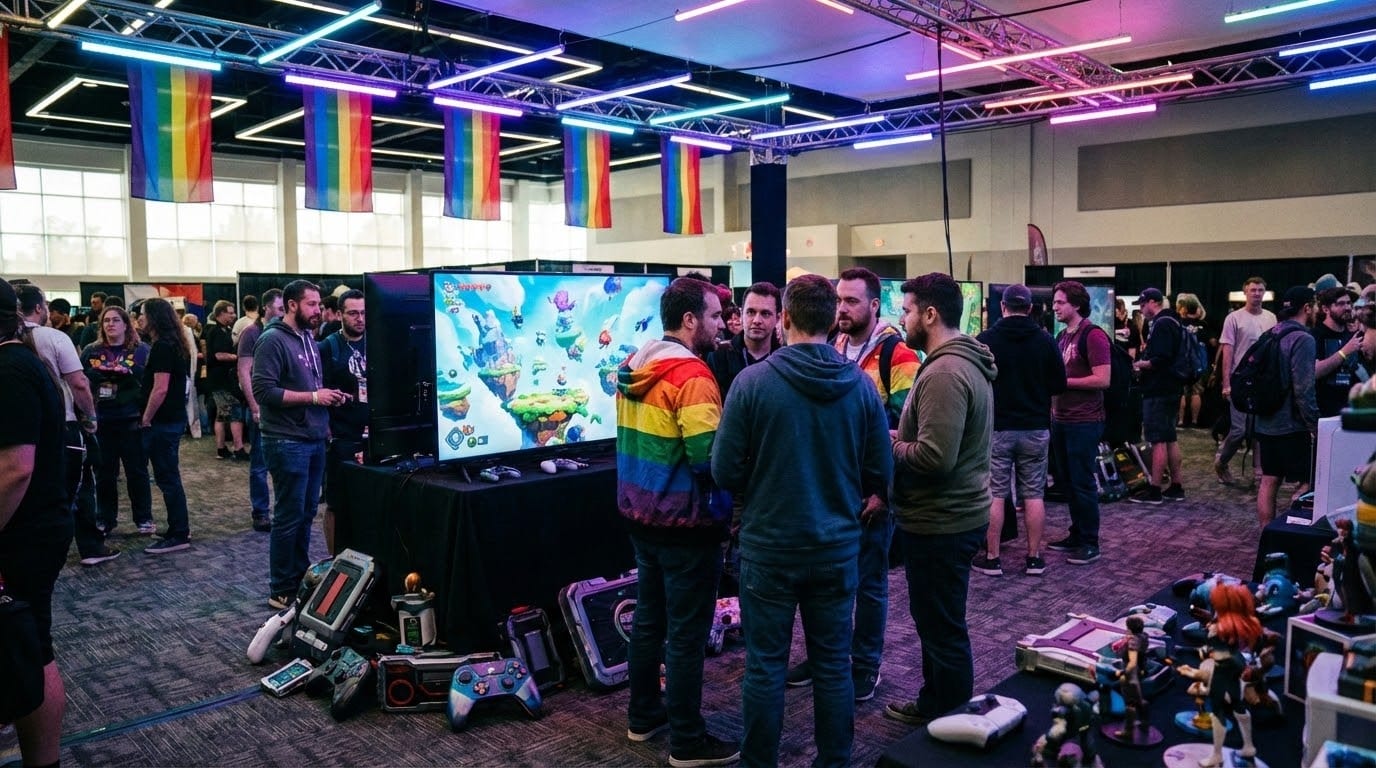
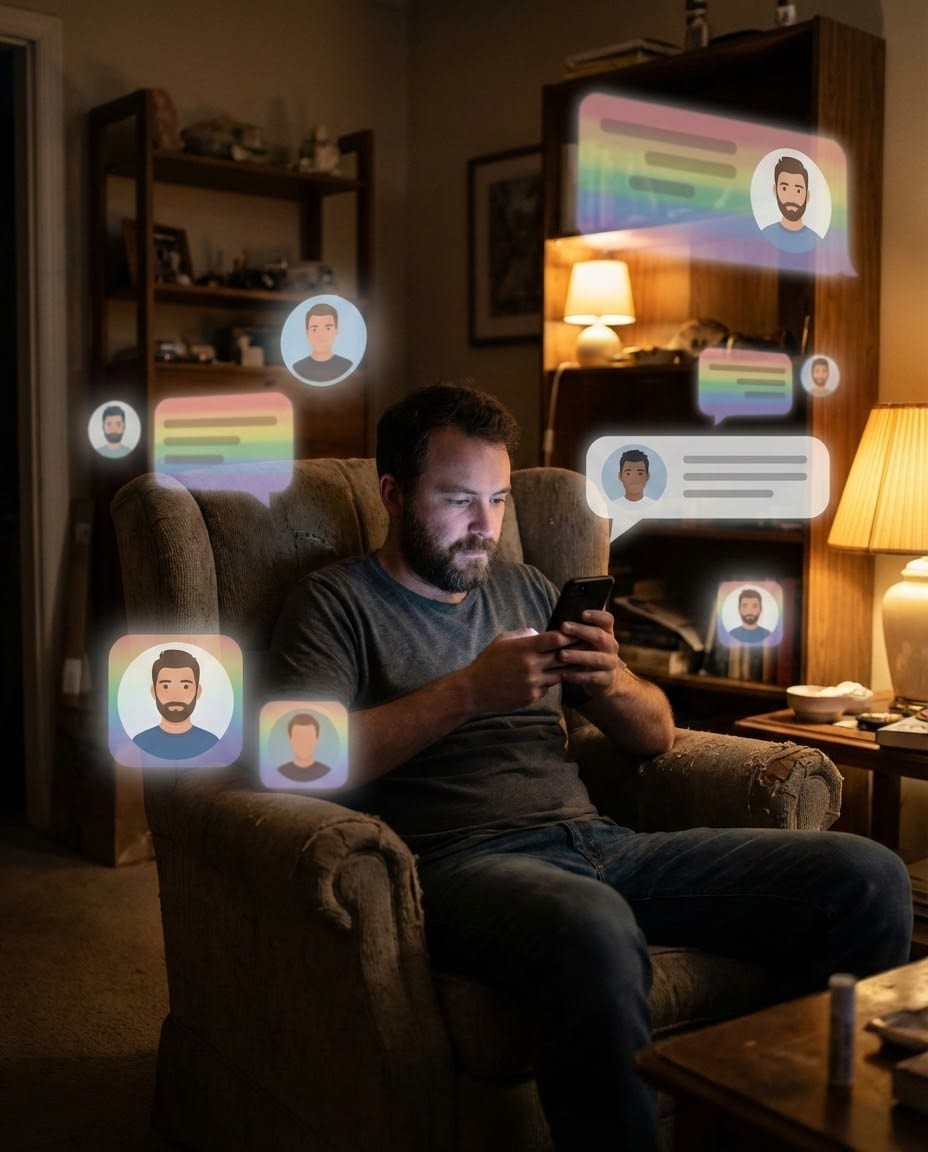
Open any location-based men-seeking-men space in 2026 and you can feel it: the “grid” doesn’t read like one monolithic gay neighborhood anymore.
You’ll still see plenty of gay men, but you’ll also see profiles that say things like:
- “Bi, married, discreet”
- “Straight-curious… first time”
- “No labels”
- “I’m not out”
- “Straight but experimenting”
And the truth is: that’s not a glitch. That’s the new demographic reality.
As the Founder and CEO of Splashd, I’m biased toward the idea that more people finding connection can be a good thing—as long as we’re doing it with consent, respect, and community care. But I also get why some long-time gay users feel a little whiplash. When an app used to feel like “ours,” a wave of straight-curious guys can bring up real questions: Are we being fetishized? Are we being treated like a secret? Is this “tourism”? Do they understand queer culture? And—most importantly—are we safe?
We’re going to talk about all of it—casually, honestly, and without shaming anyone for exploring.
Because here’s the core idea: Splashd is a space for behavior (men seeking men), not a purity test for identity. You can hold that truth and still protect gay culture, boundaries, and emotional safety at the same time.
The 2025 stats that changed the conversation
Let’s put numbers to the vibe shift.
A 2025 demographic report from Sniffies (a major cruising platform) showed something that would’ve been unthinkable to a lot of folks a decade ago: bisexual users slightly outnumbered gay users.
A quick note (because accuracy matters): this data isn’t Splashd’s internal data—it’s from an external industry report. But it aligns with what a lot of LGBTQ+ apps and communities have been noticing: labels are loosening, curiosity is more common, and “MSM spaces” aren’t niche anymore. See also: The End of “Types”: Why Gen Z Is Deleting the Labels (and What to Do Instead).
And to be clear: this doesn’t erase gay men. It doesn’t “dilute” queerness. It means more people are using the same tools to seek the same behaviors—chatting, flirting, hooking up, dating, learning.
Why this matters
When bisexual and straight-curious users become a major share of the user base, the social rules change. Clear communication and consent become even more important—especially around labels, discretion, and expectations. See also: The Ethical Slut in 2026: Navigating Monogamish Dynamics Without Blurry Lines.
What does straight-curious actually mean
“Straight-curious” is one of those labels that can mean completely different things depending on who’s using it. For some people, it’s a temporary bridge. For others, it’s the only label they feel safe using.
Exploring your sexuality isn’t the problem. Treating gay and bi men like a disposable “experience” is. The line is respect—and you can feel it instantly in how someone talks to you.
Tourism vs fluidity: how to tell the difference
This is the delicate part, so I’m going to say it plainly.
There is a kind of “tourism” that happens in queer spaces—people dabbling with zero awareness of the emotional labor, cultural context, or safety risks gay/bi men have navigated for years.
At the same time, sexual fluidity is real. Many men will genuinely discover they’re bi, pan, or just… not straight in the way they assumed. See also: The Loneliness Paradox: Why We Feel Alone in a Sea of Profiles.
You can’t read minds, but you can read behavior. In practice, “tourist energy” tends to show up in a few predictable ways: framing you as a prop instead of a person; setting rules that insult you (“don’t be gay about it”); refusing basic mutuality like safer-sex conversations and basic courtesy; or pressuring you into secrecy that compromises your safety (for example, demanding you never message again the moment they get what they want).
A boundary that works
Try: “I’m open to discreet, but I’m not open to disrespect. If we meet, it needs to feel mutual and safe for both of us.”
And if you’re the straight-curious one reading this: you’re welcome here—but your curiosity doesn’t outrank someone else’s dignity. That’s the deal.
Discretion without shame: negotiating privacy and safety
Discretion is one of the biggest friction points in mixed-identity spaces.
For some gay men, “discreet” can feel like a throwback to being someone’s secret. For some straight-curious men, discretion can feel like the only thing making exploration possible without blowing up their life.
So let’s name the truth: discretion is not automatically shame—but it can become shame if it’s used to dehumanize the other person.
A simple negotiation framework (use this every time)
When discretion is involved, a quick structure keeps things from getting messy. Here’s a five-part check-in that works whether you’re gay, bi, straight-curious, out, discreet, or anywhere in between:
A quick personal note from me
When I was younger, I used to think I had to “prove” I was chill about discretion to be desirable. That was a mistake. If you have to shrink yourself to make someone comfortable, you’re paying too much.
Your needs matter too. Always.
Bisexual men and the relief of being believed
If the 2025 numbers tell us anything, it’s that bisexual men aren’t a footnote. See also: Digital Hanky Codes in 2026: Emojis, Tribes, and Signals (and How to Read Them Safely). They’re a major part of the community using these apps.
And yet, bi men still get hit with the same stereotypes from multiple directions: in straight spaces, people call it “a phase”; in gay spaces, people assume “you’ll leave me for a woman”; and everywhere, there’s the demand to “pick a side.” That’s bisexual erasure, and it’s exhausting.
Here’s what I’ve learned from listening to bi users (and friends) over the years: a lot of bi men aren’t confused—they’re tired of being interrogated.
Cruising and dating apps can be a weirdly freeing refuge because the starting point is behavior, not a debate. You don’t have to submit a thesis on identity to deserve attraction.
If you’re bi, you belong here
Being bisexual doesn’t make you “half committed” to queerness. You don’t need to perform gayness to be valid, and you don’t need to downplay men to be accepted.
What gay users can do better (without doing emotional labor)
This isn’t about anyone “owing” education. It’s about removing unnecessary friction. If you prefer out-and-proud partners, say that clearly—without turning “bi” into a character flaw. Don’t assume bisexual means dishonest, and don’t treat “bi” as a synonym for “discreet.” And please don’t ask people for a “percentage” like attraction is a pie chart.
How to message across identities on Splashd
A lot of conflict on apps isn’t actually about identity—it’s about mismatched assumptions.
The good news: you can solve most of this with a few extra sentences. Clarity isn’t awkward; it’s considerate. And honestly, it’s usually the thing that makes someone feel safe enough to be real.
Message templates that lower drama and raise consent
For gay-identifying users:
“Hey—what are you looking for tonight (chat, head, makeout, date)?
Also: are you out or discreet?”
For straight-curious users:
“Hey—new to this. I’m discreet and still figuring things out.
I’m attracted to you and want to keep it respectful.
What are you into, and what are your boundaries?”
Do’s and don’ts that save everyone time
Here’s the baseline in plain language. Do state what you want (hookup, oral, date, making out) and ask what the other person wants. Do talk about boundaries and safer sex like an adult. Do accept “no” quickly and politely.
And: don’t insult queer expression (“no gay stuff”)—if you have a personal limit, you can state it without contempt. Don’t treat someone like a secret you’re ashamed of. If someone can’t meet that baseline, they’re not ready to be in the space.
Quick FAQs (because yes, everyone asks these)
A space for behavior, not a purity test
Here’s where I want to land this, especially for the folks who feel protective of gay spaces (which I understand deeply).
The rise of bisexual, bicurious, and straight-curious users doesn’t have to mean the end of queer community. But it does mean we have to be more intentional about norms:
- Respect is non-negotiable
- Consent is sexy
- Clarity prevents harm
- “Discreet” is not a weapon
- No one gets to police someone else’s identity journey
And if you’re gay and tired of being someone’s secret? You’re not bitter. You’re not “dramatic.” You’re responding to a real pattern many of us have lived through. You’re allowed to say, “I want someone who can hold my hand in public,” and log off from anything that feels smaller than you deserve.
If you’re straight-curious and you’re reading this with your heart beating a little faster—welcome. You don’t need to have everything figured out. But you do need to enter with humility. Queer spaces aren’t just free entertainment. They’re communities built under pressure, with history behind them.
And if you’re bi: you’re not a trend. You’re not a phase. You’re part of the fabric of this.
The Splashd promise
Splashd is built for men seeking men—whether that’s for dating, friendship, flirting, or exploration. Identity is respected here, but behavior and boundaries are what keep the community safe.
Before you go, I’ll leave you with one simple challenge—something I use myself:
The next time you message someone who doesn’t share your label, try leading with curiosity and a boundary.
You can be welcoming without being a doormat. You can be open-minded without ignoring red flags. You can help build a culture where exploration is possible—and nobody gets hurt in the process.
If you’re on Splashd right now, take 60 seconds to update your profile with what you actually want (hookups, dates, friends, discreet, out, etc.). It’s the easiest way to attract the right people and filter out the chaos.
See you on the grid,
Rob