
Commitment in 2026
For a lot of us in the LGBTQ+ community, the definition of commitment has been quietly (and sometimes loudly) evolving for years. In 2026, it’s not unusual to hear someone say, “We’re together… but we’re not exclusive,” and mean it with the same steadiness and devotion another couple might attach to monogamy.
That shift can feel freeing. It can also feel confusing—especially on dating apps, where assumptions travel fast, nuance gets lost, and one vague sentence like “open-ish” can mean anything from “we occasionally play together on vacation” to “we each have partners and share a calendar.”
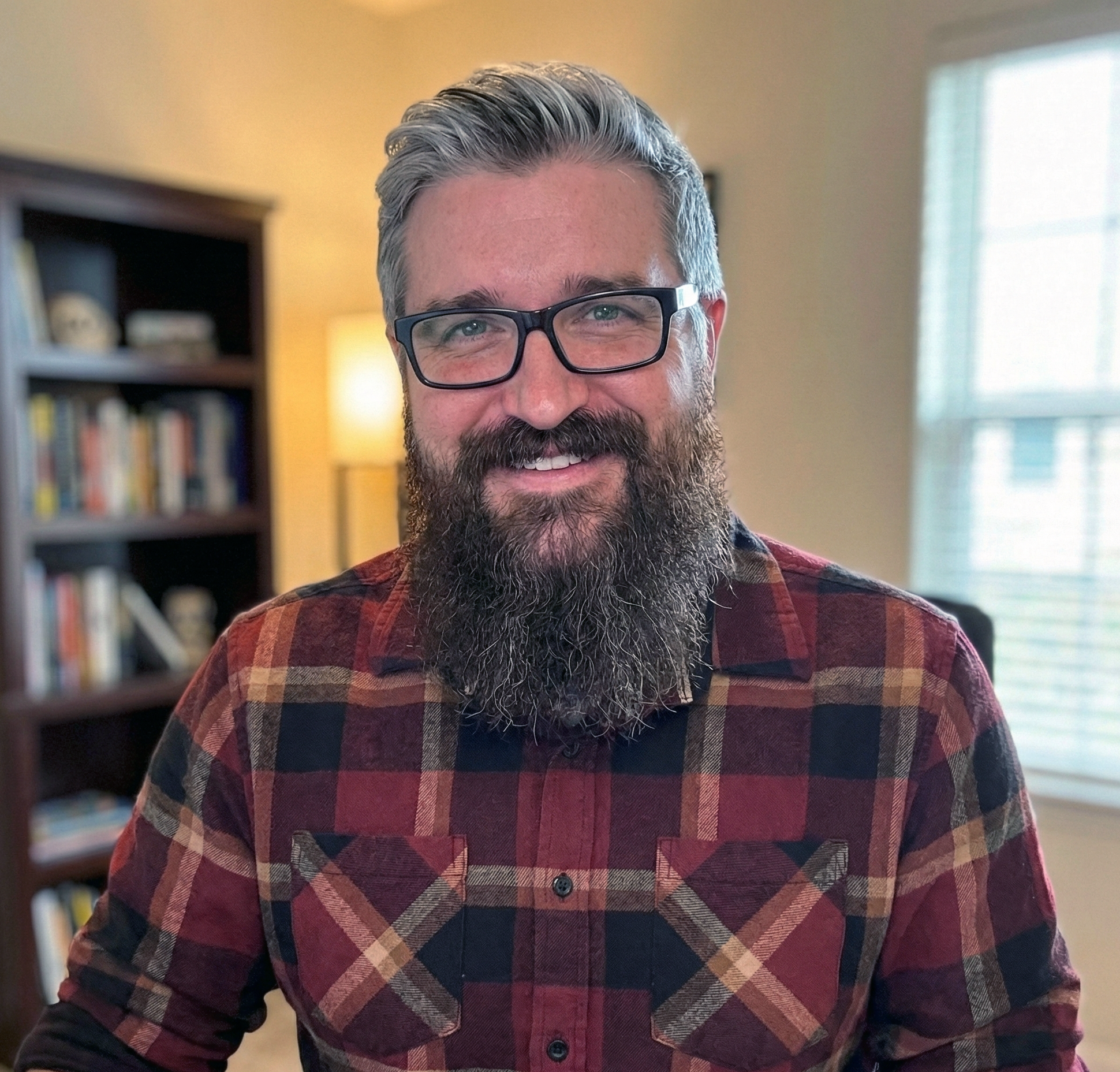
I’m Rob, founder and CEO of Splashd. I built Splashd because queer connection deserves spaces that are safer, clearer, and more human. And one thing I’ve learned from years of listening to LGBTQ+ daters: most conflict in non-monogamy isn’t about sex. It’s about uncertainty—and the lack of explicit consent.
This article is a 2026 guide to “The Ethical Slut” mindset (ethical, honest, consent-forward intimacy) and how to navigate monogamish dynamics specifically—without turning “flexible” into “fuzzy.”
A quick note about language
Different communities use different labels. None of these terms are “better”—they’re tools for clarity. If a label doesn’t fit you, use plain language and describe your actual agreements.
Defining the terms without the drama
Let’s de-tangle the vocabulary. When people fight about non-monogamy online, it’s often because they’re using the same word to mean different things. Clear terms help you give—and get—informed consent.
ENM: the umbrella term
Ethical Non-Monogamy (ENM) is the broad category: any relationship structure where people agree that romantic and/or sexual exclusivity is not the rule.
Key idea: ethics = explicit consent + honest communication + care for impact.
In practice, ENM can include open relationships (often sex-forward), polyamory (often relationship-forward), swinging or playing together, monogamish agreements, kink dynamics that involve additional partners, relationship anarchy, and other consent-based structures.
ENM is not a “get out of accountability free” card. It’s not “I do what I want.” It’s “We agreed on what we want—and we can revisit it.”
Open: usually sex-forward, relationship-contained
An open relationship typically means the couple remains a primary romantic unit, but allows sexual experiences outside the relationship under agreed-upon boundaries.
Sometimes that means hooking up separately. Sometimes it means hooking up together. Sometimes repeat connections are fine; sometimes they’re discouraged. Sometimes people try to avoid emotional entanglement—or they simply don’t prioritize it.
But here’s the truth: even “just sex” can generate feelings, attachment, jealousy, or insecurity. So “open” still requires emotional maturity—just a different style of agreement.
The most successful open couples I’ve met weren’t the ones with the strictest rules—they were the ones who could talk about desire without turning it into a threat.
Polyamory: multiple loves, not just multiple hookups
The biggest confusion I see on apps is people using “poly” as a synonym for “down to hook up.” That’s not what polyamory means.
Polyamory is relationship-oriented non-monogamy: the capacity and intention to have more than one loving, emotionally significant relationship, with everyone’s knowledge and consent.
That doesn’t mean poly people don’t enjoy casual sex. It means the structure allows for love, commitment, and ongoing partnership with multiple people—often with conversations about time, priorities, communication, and emotional responsibility.
A helpful way to understand common poly styles is to treat them as communication patterns, not moral categories:
A consent check for poly language on apps
If you say “poly,” be specific. Do you mean you have multiple relationships—or you’re open to multiple sexual connections? Both can be valid, but they’re not the same promise.
“But we’re not poly—we’re just…”
Plenty of people aren’t looking for multiple relationships. They just want to stay connected to their partner while allowing some freedom. That’s where monogamish comes in.
Monogamish: mostly closed, with intentional exceptions
“Monogamish” became popular because it describes a lived reality for many couples: emotionally committed and primarily monogamous, with specific, negotiated exceptions.
In queer culture, this can be especially common because our dating pools can be smaller; community overlap is real (exes, friends, chosen family); sexual expression can be deeply tied to identity and liberation; and many of us grew up without stable models of queer “marriage scripts,” so we design our own.
In real life, monogamish exceptions vary widely: some couples only play together; some allow hookups while traveling; some have “hall pass” agreements; some use disclosure rules (from “tell me before” to “tell me after”); and some experiment with openness during certain seasons (like long distance, postpartum, shifting libido, or recovery periods). The specifics matter less than the consent.
Here’s the ethical backbone: exceptions must be explicitly discussed and mutually agreed, not assumed.
Monogamish works best when it’s not a loophole—it’s a conscious design choice.
A quick personal story from the founder seat
I’ve watched friends enter “monogamish” agreements with totally different definitions in their heads. One person heard, “We can flirt and maybe kiss at parties.” The other heard, “We can hook up whenever, just don’t fall in love.”
They weren’t dishonest people. They were just vague people—because nobody teaches us how to have these conversations.
What followed wasn’t a scandal. It was something more ordinary and more painful: weeks of spiraling, screenshotting, “What did you mean by…?” and a relationship that started to feel like a courtroom.
That experience shaped how we think about product design at Splashd: clarity is kindness. Especially when feelings are involved.
The Gen Z data: why exclusivity feels different now
Let’s talk about the generational shift—because it’s real, and it’s influencing app culture in a big way.
Research and trend reporting in LGBTQ+ communities consistently suggests that 40–50% of gay male couples engage in some form of openness at some point (definitions vary by survey, region, and sampling). Meanwhile, Gen Z is leading the normalization, with reports indicating around 68% consider non-monogamy as an option.
Those numbers don’t mean everyone is non-monogamous. They mean more people are willing to discuss it—and they expect that discussion to be literate, respectful, and consent-forward.
Gen Z is more “systems-aware”
Younger queer folks grew up with consent culture as a public conversation, mental health language in everyday life, relationship education on social platforms (the good and the oversimplified), and a broader menu of identities and relationship models. Exclusivity, for many, isn’t automatically “the mature option.” It’s one option among many.
Digital dating exposed the myth of effortless compatibility
Apps made it easier to meet people—and also amplified the loneliness paradox of a sea of profiles—and made it easier to realize that desire doesn’t turn off just because love is present. Many people are choosing structures that acknowledge that reality rather than pretending it won’t come up.
Queer people have always been creative with family and commitment
Before legal protections and mainstream acceptance, queer communities built chosen families, negotiated boundaries, and crafted support systems outside traditional norms. In many ways, ENM discussions are an extension of that legacy: designing relationships that fit real lives.
The rules of engagement: ENM vs cheating is knowledge
Let’s say the quiet part out loud:
The difference between ethical non-monogamy and cheating is not how many people you sleep with. It’s whether everyone involved has explicit knowledge and has consented.
A useful gut-check is to ask whether your situation is powered by ambiguity or supported by clarity:
| If it sounds like this… (ambiguity) | It usually leads to this… (clarity) |
|---|---|
| “I thought we didn’t need to talk about it.” | “Here’s what we agreed to, and we can revisit it.” |
| “We’re open… kind of.” | “Here are our actual boundaries, and here’s what ‘open’ means for us.” |
| “My partner can’t find out.” | “My partner is aware, and I’m not recruiting you into secrecy.” |
| “It didn’t count because it was on a trip.” | “Our agreement applies everywhere, including travel.” |
| “I didn’t think you’d be upset.” | “I care about impact, not just intent—and I’m accountable.” |
Explicit consent isn’t unsexy—it’s foreplay
There’s a myth that talking about boundaries kills the mood. In practice, the opposite is usually true. When people feel safe, they get more present, more playful, and more open to pleasure.
A simple way to practice explicit consent in ENM is to treat your agreement like a living document—especially if you’re also thinking about STI prevention tools like DoxyPEP. Start by defining the container (what you’re building together emotionally and practically). Name the permissions (what’s allowed outside that container). Name the protections (what keeps it safe—testing cadence, disclosure, check-ins). Name the red lines (what would feel like betrayal). Then schedule a review (because “set it and forget it” is where people get hurt).
How to practice ENM ethically on an app
Apps aren’t the problem. Ambiguity is the problem—especially when profile fields and chat habits don’t encourage clarity.
Here’s how to make ENM more ethical, more respectful, and frankly more enjoyable on Splashd (or any dating app).
Build a profile that creates informed consent
Most people aren’t turned off by non-monogamy. They’re turned off by surprises.
Use direct language. You don’t need a manifesto. You need enough information for someone to opt in enthusiastically.
- Your structure: “Monogamish,” “open,” “poly,” or “single and ENM-friendly”
- Your availability: “Chatting, casual meetups,” or “dating with intention”
- Your agreement basics: “We play together,” “separately with disclosure,” etc.
- Your safer-sex approach: testing cadence, barrier preferences, disclosure norms
Clarity is a vibe
People often worry that being explicit will “scare matches away.” It will—the wrong matches. And that’s a win.
Use a pre-date consent script
When you’re messaging someone new, you can keep it warm and human while still being clear. Here’s a script I’ve used (and variations I’ve seen work really well):
“Quick transparency: I’m in a monogamish relationship. Mostly closed, with agreed exceptions. My partner knows I’m here. What’s your situation, and what kind of connection are you looking for?”
It’s simple. It’s not clinical. And it sets a norm: we tell the truth here.
Make “what does that mean to you?” your favorite question
Labels are shortcuts, not contracts. Two people can both say “monogamish” and mean totally different things. Instead of interrogating, try inviting detail: “When you say open, what’s allowed?” “Do you date separately or together?” “Do you have any ‘heads up’ rules?” “What’s your disclosure style after a hookup?” “How do you handle jealousy when it shows up?”
Notice what you’re listening for: not just the answers, but the tone. Are they thoughtful? Defensive? Avoidant? Respectful?
Plan for the moment things change
Here’s the part nobody posts about: agreements evolve. People catch feelings. Life stress hits. Libido changes. Trust gets tender.
Ethical non-monogamy isn’t about never having complications. It’s about having a repair strategy—one that’s agreed upon before anyone is in fight-or-flight.
Expert insight: boundaries beat rules
Many queer-friendly therapists and sex educators emphasize a shift that’s helpful in 2026: focus on boundaries (what I will do) more than rules (what you must do).
A rule might be: “You can’t see the same person twice.”
A boundary might be: “If you’re seeing someone repeatedly, I need to know, because it affects my emotional safety.”
Rules can sometimes create loopholes. Boundaries create accountability.
The goal isn’t to control desire—it’s to create enough emotional safety that desire doesn’t become a threat to attachment.
Where apps can help: consent-forward norms
At Splashd, we think app design should support the reality that queer dating includes many relationship structures. Practicing ENM ethically on an app comes down to three norms: disclose early (not as a late “by the way” after things get intense), don’t recruit people into secrecy, and exit respectfully when your structures don’t match.
This applies whether you’re monogamous or not. Monogamous people also deserve explicit consent: no one should have to decode your situation mid-chemistry.
Splashd Community Night: Boundaries and Desire (ENM-friendly)
A moderated conversation on monogamy, monogamish agreements, open dynamics, and consent-forward communication—plus anonymous Q&A.
Date
Thursday, February 12, 2026
Time
7:00 PM
Location
Splashd In-App Live Room
Capacity
Unlimited
Communication is the sexiest lubricant
If there’s one idea I want you to take from “The Ethical Slut in 2026,” it’s this:
Communication isn’t the thing you do after the fun. Communication is part of the fun.
When you can speak honestly about your desires, your limits, your needs, and your realities, you stop treating connection like a performance. You start treating it like collaboration.
And in monogamish dynamics especially, the difference between thriving and spiraling is rarely the exception itself—it’s whether the exception was clearly, explicitly, lovingly agreed upon.
So here’s your actionable takeaway for this week:
- If you’re in a relationship: schedule a 30-minute agreement check-in. No accusations—just clarity.
- If you’re dating: update your profile with one sentence that makes your situation explicit.
- If you’re chatting: ask “What does that mean to you?” before you meet.
Because the hottest thing in 2026 isn’t having unlimited options.
It’s being safe enough—and brave enough—to tell the truth.
And if you’re exploring any form of ENM on Splashd, I want you to feel supported doing it ethically: with consent, with care, and with the kind of clarity that protects everyone’s heart (including your own).